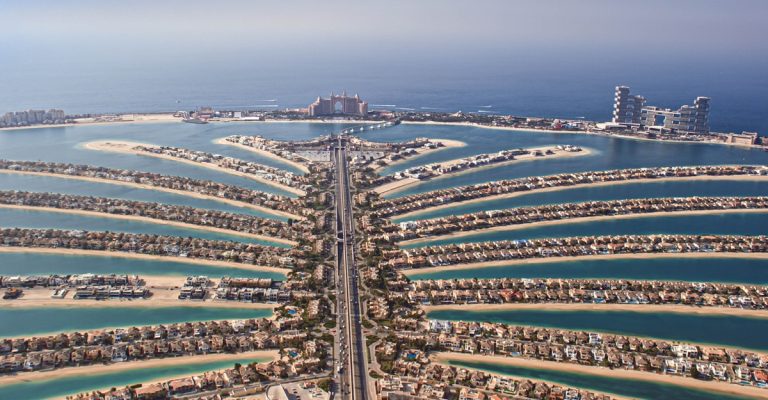
Dubai Property Market Soars with 50,000 Sales in Q3 Amid Population Surge
In a remarkable testament to its burgeoning real estate sector, Dubai has reported over 50,000 property transactions in the third quarter of 2025, marking a significant milestone as the city’s population surpasses the four million mark. This surge in property sales underscores the emirate’s robust economic health, driven by a combination of population growth, economic performance, and an influx of high-net-worth individuals.
According to the latest Savills residential market report, this is the second consecutive quarter where transaction volumes have exceeded the 50,000 threshold. The Dubai Statistics Centre has confirmed that the city’s population crossed four million in September, a milestone that has been pivotal in fueling the real estate boom.
Economic and Demographic Drivers
Dubai’s real estate market is underpinned by a strong economic foundation. Oxford Economics has forecasted a 4.9 percent GDP growth for the UAE in 2025. This economic vigor, coupled with Dubai’s tax-free environment and a relatively affordable housing market compared to other global cities, continues to attract both local and international investors.
Apartments have dominated the market activity, accounting for 86 percent of all transactions in Q3 — a noticeable increase from 80 percent in Q2 and 75 percent in Q1. Off-plan sales have been a key growth driver, making up 69 percent of total deals, with nearly 37,000 off-plan transactions recorded. The ready market has maintained a steady pace with more than 16,500 transactions, aligning with the two-year average of approximately 17,500 per quarter.
Geographical Hotspots and Supply Dynamics
Zone 6, which includes key areas along the Al Khail corridor such as Jumeirah Village Circle, Dubailand, Damac Hills 2, The Valley, and Damac Lagoons, has emerged as Dubai’s most active zone, capturing 37 percent of total transaction volumes. Zone 3, home to established communities like Dubai Marina, Emirates Living, and Barsha, followed with 29 percent.
The supply side of the market also reflects this growth. Approximately 8,500 residential units were delivered in Q3, bringing the year-to-date completions to 30,000 units, already matching the total for all of 2024. An additional 10,000 units are expected by the end of the year, indicating a strong supply pipeline. Notable completions include Viridian by Meraas in Al Wasl, Palace Residences by Emaar in Dubai Creek Harbour, and Ellington House by Ellington in Dubai Hills Estate.
Luxury Market and Investor Sentiment
Dubai’s prime residential segment has maintained its robust performance, following record highs in Q2. Around 1,500 transactions exceeded AED10 million ($2.7 million) in Q3, with villas dominating this segment, accounting for 73 percent of prime transactions. This reflects the growing demand from affluent expatriates and investor confidence in Dubai’s luxury housing market, bolstered by the Dubai Economic Agenda (D33).
Rachael Kennerley, Director of Research at Savills Middle East, noted, “Q3 2025 has delivered further record-breaking transaction levels for the Dubai residential market. Off-plan and apartment activity continued to strengthen their dominance, whilst a drop in villa transactions highlights the lack of new supply in this segment.”
Investor sentiment remains buoyant, with average capital values for apartments stable at AED1.9 million ($517,000), and the average villa price holding above AED7 million ($1.9 million) — a 24 percent increase from the 2024 average. The average rates per square foot have reached new highs across both categories, reflecting continued confidence and appetite for well-located, premium communities.
Outlook and Future Prospects
Looking ahead, the outlook for Dubai’s real estate market remains positive. Savills forecasts continued market resilience, with Dubai’s population expected to reach five million by 2030. Additionally, nearly 9,800 millionaires are projected to migrate to the UAE in 2025, further bolstering demand.
Andrew Cummings, Head of Residential Agency Middle East at Savills, commented, “Dubai’s residential market continues to demonstrate remarkable depth and resilience, underpinned by a strong economy, population growth, and continued demand from both investors and end users. The balance between affordability and lifestyle remains one of the city’s biggest strengths.”
As the emirate grows, further segmentation within the market is anticipated, with established communities holding strong while emerging zones continue to deliver value for new buyers. The city’s appeal is further enhanced by lifestyle factors, including the opening of 25 new private schools in September alone, which attract families seeking quality education and amenities.
In summary, Dubai’s real estate market is poised for continued growth, driven by a dynamic blend of economic strength, demographic expansion, and strategic urban development. As the city marches towards its vision for 2030, the real estate sector remains a cornerstone of its economic landscape, offering opportunities for investors and residents alike.
Source: the original article
Related Articles
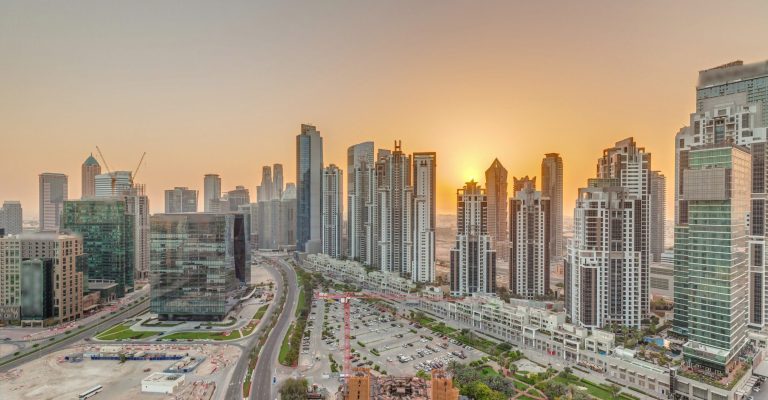
Dubai's Branded Residences Set for 80% Growth by 2030
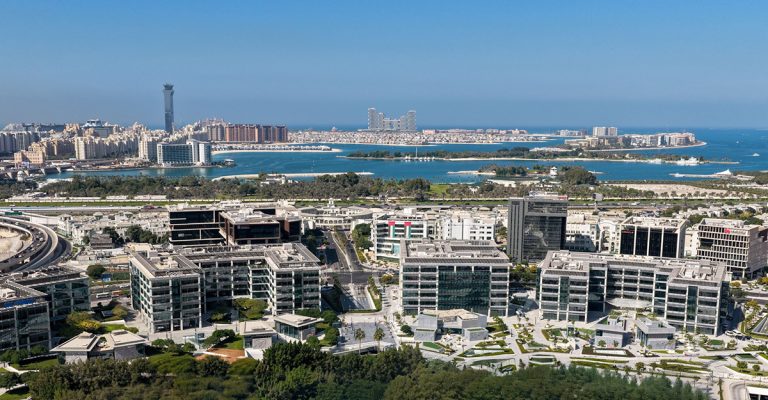
TECOM Group Unveils $167.5 Million Innovation Hub Phase 4 in Dubai Internet City